
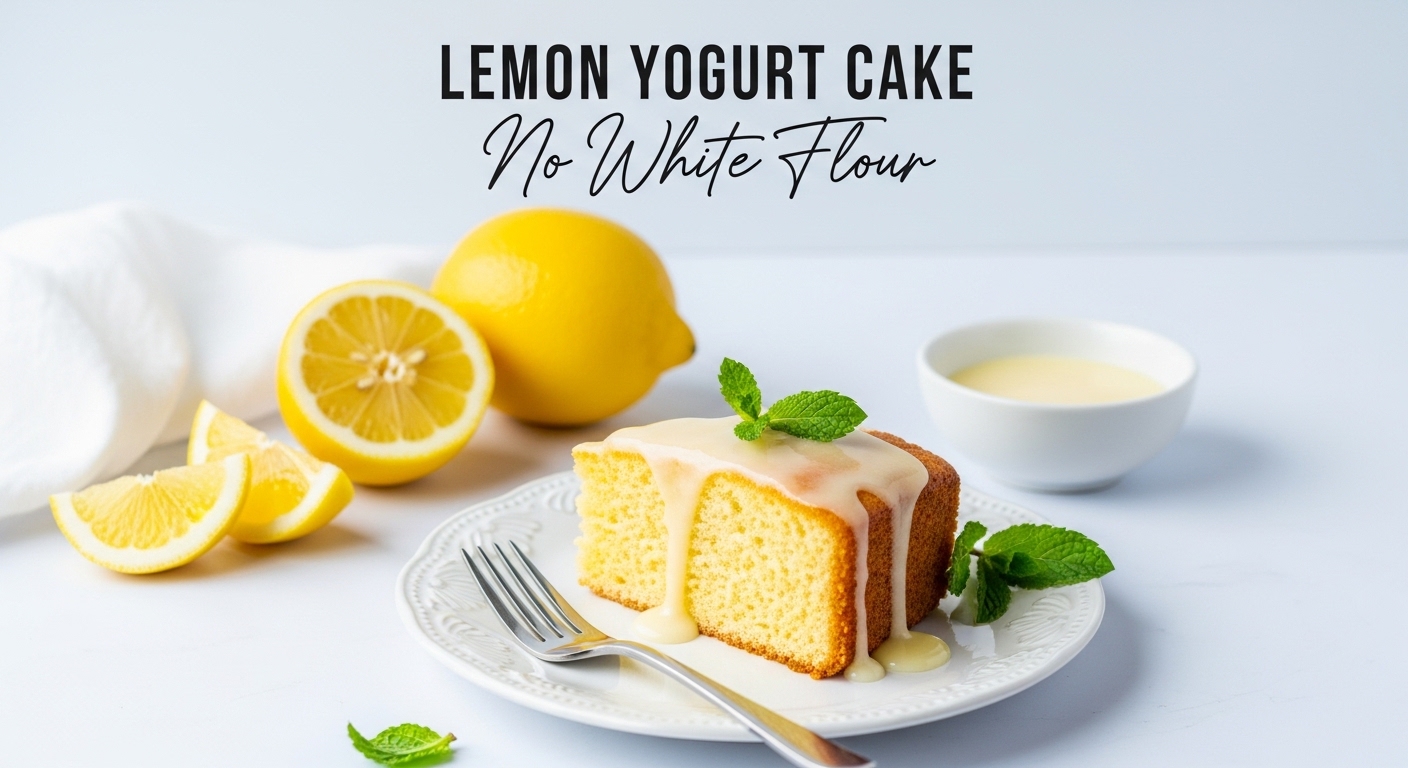
Let’s be real—sometimes life calls for a cake that’s light, tangy, and doesn’t leave you feeling like you swallowed a brick. Enter the lemon yogurt cake no white flour. Yep, you read that right: no refined white flour, but all the fluffy, zesty goodness you could ever dream of. I stumbled upon this gem after one too many sugar crashes from “regular” cakes, and honestly, it changed my baking game forever.
So, buckle up! We’re diving into a cake that’s easy to make, naturally tangy, and surprisingly healthy, all while tasting like it came straight out of a fancy bakery.
Why Go Flour-Free? Spoiler: It’s Not Just Health Hype
I know what you’re thinking—“Cake without white flour? Isn’t that just… sad?” Not at all. Here’s why swapping out white flour actually makes your cake better in a few ways:
- Better texture and moisture – Whole-grain or almond flours retain more moisture, so your cake stays soft longer.
- Nutrient boost – You get fiber, protein, and healthy fats depending on the flour you choose.
- Lower glycemic impact – If you’re watching sugar spikes, this is a win.
IMO, using alternative flours doesn’t just make your cake “healthier”—it makes it more flavorful and complex, which is exactly what we want when lemon is involved.
Picking the Right Flour for Lemon Yogurt Cake
Not all flours are created equal, and yes, some will turn your cake into a sad, crumbly mess if you’re not careful. Here’s my go-to breakdown:
Almond Flour
- Pros: Super moist, slightly nutty, works beautifully with yogurt.
- Cons: Can be dense if overused; best combined with a lighter flour.
Oat Flour
- Pros: Mild flavor, soft texture, naturally sweet.
- Cons: Needs binding (like eggs or yogurt) to avoid crumble.
Whole Wheat Pastry Flour
- Pros: Light, keeps structure without overpowering taste.
- Cons: Can make it slightly denser than white flour.
Pro tip: I often do a 50/50 mix of almond and oat flour—it’s basically the Goldilocks zone for moisture, fluffiness, and structure.
The Magic Ingredient: Yogurt
Here’s why yogurt is a game-changer in this cake:
- Tender crumb: The acidity in yogurt reacts with baking soda to make the cake fluffy.
- Tangy flavor: Enhances the lemon zest instead of letting it get lost.
- Moisture boost: Keeps the cake from drying out—even a day later.
FYI, Greek yogurt works best for richness, but plain yogurt is perfectly fine if you want a lighter version. I’ve tried both, and honestly, Greek yogurt gives a slightly creamier bite that I just can’t resist.
Zesty Lemon: More Than Just Flavor
Let’s talk lemon. Zest vs. juice—don’t skip either. Here’s why:
- Zest: Packs aromatic oils and intense lemon flavor without adding liquid.
- Juice: Adds that fresh tang and helps with chemical reactions in the batter.
Pro tip: Always use organic lemons if you can, especially for zest. Those waxed supermarket lemons? Meh. They work, but your cake won’t have that vibrant zing.
Sweeteners: Keeping It Balanced
Since we’re skipping white flour, you might be tempted to load up on sugar. Don’t. A little goes a long way because:
- Almond and oat flours are naturally sweet.
- Yogurt adds creaminess that offsets bitterness from lemon.
I personally use a mix of coconut sugar or organic cane sugar—just enough to hit that sweet spot without turning it into a sugar bomb.
Step-by-Step Baking: Easy Peasy
Here’s my foolproof lemon yogurt cake no white flour method:
Ingredients
- 1 cup almond flour
- 1 cup oat flour
- 1/2 cup coconut sugar
- 1 tsp baking soda
- 1/2 tsp baking powder
- 1/4 tsp salt
- 3 large eggs
- 1 cup Greek yogurt
- 1/3 cup olive oil (or melted coconut oil)
- Zest of 2 lemons
- Juice of 1 lemon
- 1 tsp vanilla extract
Instructions
- Preheat oven to 350°F (175°C) and grease your 8-inch cake pan.
- Mix dry ingredients: Almond flour, oat flour, sugar, baking soda, baking powder, and salt.
- Whisk wet ingredients: Eggs, yogurt, oil, lemon juice, zest, and vanilla until smooth.
- Combine gently: Fold wet into dry until just combined. Avoid overmixing; this keeps the cake fluffy.
- Bake for 35–40 minutes. Check with a toothpick—it should come out mostly clean.
- Cool completely before slicing. Sprinkle a little extra lemon zest on top for a “chef’s touch.”
Honestly, it’s almost impossible to mess this up, but if you overbake, it will dry out. Trust me—I’ve learned this the hard way 😅.
Optional Twists: Taking It Next-Level
Because who doesn’t like a little creativity?
- Glaze: Mix powdered sugar with lemon juice for a shiny, tangy drizzle.
- Berries: Fold in fresh blueberries or raspberries for extra color and flavor.
- Nuts: Toasted almonds on top add crunch.
- Lavender: A pinch of culinary lavender can elevate it into a fancy brunch cake.
Each variation slightly changes texture and taste, but honestly, the base cake is so good, you could eat it plain and still be happy.
Common Pitfalls & How to Avoid Them
Even easy cakes have their drama moments. Here’s what to watch out for:
- Dense cake: Likely overmixing or using too much almond flour. Keep it light!
- Sour aftertaste: Check your yogurt; some brands are tangier than others.
- Falling cake: Make sure your oven is preheated and don’t open the door too early.
If you follow these tips, you’ll have a cake that’s moist, tangy, and basically impossible to resist.
Storing Your Lemon Yogurt Cake
Good news: this cake keeps well. Here’s the rundown:
- Room temperature: 2–3 days in an airtight container.
- Fridge: Up to a week (Greek yogurt helps it stay moist).
- Freezer: Wrap tightly in plastic wrap and foil; lasts 2–3 months.
Pro tip: Slice it before freezing. Makes serving a breeze later.
Why You’ll Love This Cake
Let’s sum it up, because I know you’re thinking: “Why should I even bother?”
- No white flour: Healthier and surprisingly satisfying.
- Zesty lemon flavor: Bright, fresh, and not overly sweet.
- Moist texture: Thanks to yogurt and almond flour.
- Easy to make: Minimal fuss, maximum reward.
Honestly, I’d take a slice of this over a traditional sugar-laden cake any day. It’s one of those recipes that feels indulgent but actually isn’t—you know, the kind that makes you look like a kitchen wizard without the actual wizardry.
Quick Tips for Beginners
- Room temperature ingredients: Eggs and yogurt blend better.
- Don’t overbake: Check 5 minutes before recommended time.
- Zest first, juice second: Keeps the flavor balanced.
- Use a silicone spatula: Gently folding prevents deflation.
Even if you’re a “I can’t bake without instructions holding my hand” type, this cake is ridiculously forgiving.
Final Thoughts
So there you have it: a lemon yogurt cake no white flour that’s moist, tangy, and guilt-free-ish. Whether it’s a casual weekend treat, a brunch centerpiece, or a “just because” dessert, it checks all the boxes.
Next time life throws lemons at you, don’t just make lemonade—make a cake. And IMO, this one is so good, you might just skip the lemonade entirely 😉.